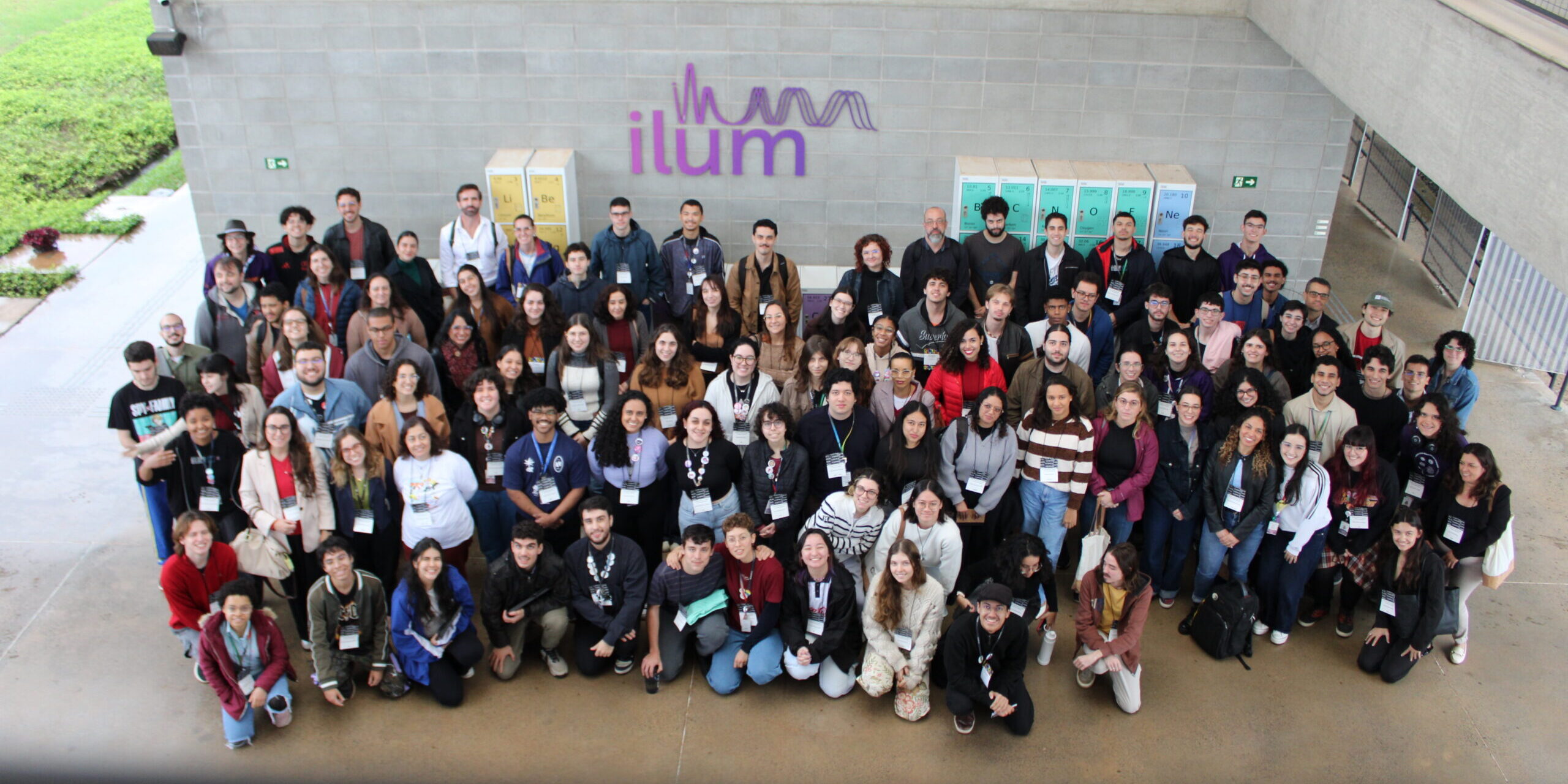
The Brazilian Center for Research in Energy and Materials (CNPEM) and the Ilum School of Science held, on September 14 and 15, the Workshop on Advanced Methods in Complex Biological Systems, at the Ilum Living Center. Over two days, the event brought together researchers, students, and professionals from different fields to discuss tools and methodologies aimed at an integrated understanding of biological systems: from cellular processes to complex diseases.
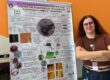
The speakers included researchers from CNPEM itself, as well as guests from Unicamp, Hospital Sírio-Libanês, and the company Gen-t – Genomics Technology, who presented studies on topics such as gene editing in in vivo models, single-cell omics applied to cancer, genomics of Brazilian biodiversity, cryo-electron microscopy, and three-dimensional chromatin organization. On the second day, a poster session at the Sirius Reception brought together work by students and researchers.
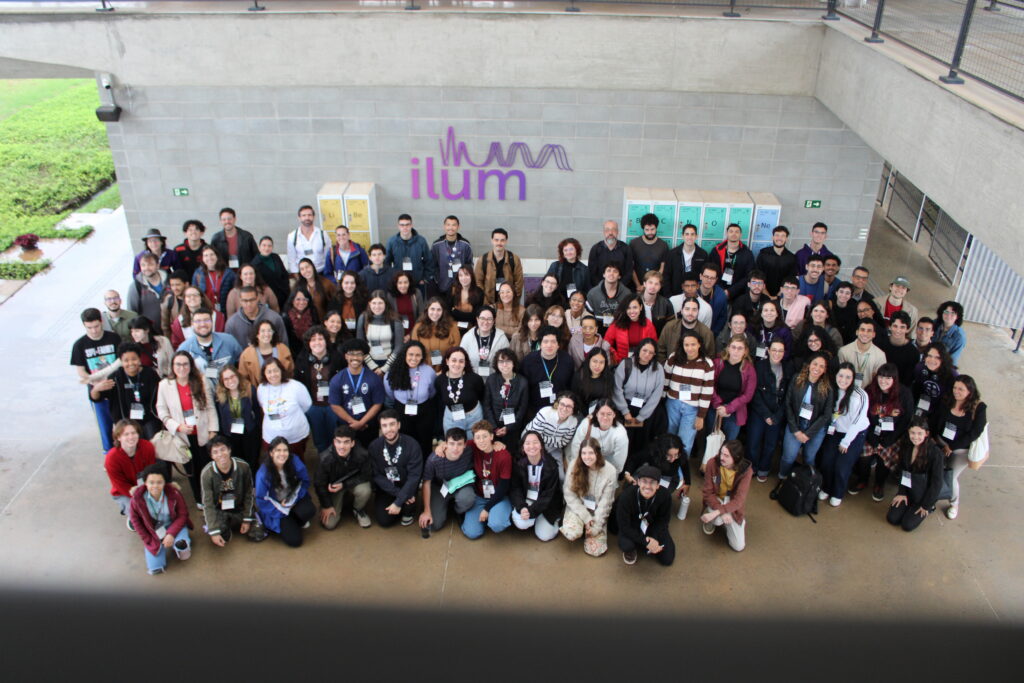
Responsible for organizing the workshop alongside Professor Leandro Lemos, Professor Juliana Smetana believes that one of the highlights of the event was the speakers’ ability to make complex topics accessible to a diverse audience. “In addition to the excellent scientific quality, all the speakers managed to present complex, timely topics in language accessible to students, without compromising quality or depth”, she says.
Regarding the poster session, held on the last day of the workshop, Smetana highlights the high quality of the work presented. “The posters presented were of excellent quality. I would highlight the research on organoids, multi-omics, and computational structural biology, which aligned well with the themes of the lectures”, she states.
The organizer also highlights the event’s impact on the education of Ilum students. “An event like this allows students to engage with new methodologies and cutting-edge research that inspire them to continue learning—and even to pursue internship, undergraduate research, or graduate study opportunities within the speakers’ research groups”, she says.
The workshop is part of CNPEM’s initiatives aimed at the interdisciplinary training of students and researchers, bringing the academic community closer to frontier themes in Life Sciences in the 21st century.
About the Ilum School of Science
Ilum offers a free undergraduate degree program that utilizes an interdisciplinary approach to train scientists and professionals in science and technology. With an innovative educational model, the three-year full-time bachelor program offers courses that connect life sciences, materials science, data science, artificial intelligence, and the humanities in order to prepare researchers to work in an ethical and collaborative manner in the search for solutions to the global challenges of the twenty-first century. The Ilum School of Science is funded by the Brazilian Ministry of Education (MEC) and is part of the Brazilian Center for Research in Energy and Materials (CNPEM) in Campinas, São Paulo, a social organization overseen by the Ministry of Science, Technology, and Innovation (MCTI). Ilum’s educational mission offers early contact with experimental activities, in teaching labs at the school as well as at CNPEM, in projects carried out together with researchers.
About CNPEM
The Brazilian Center for Research in Energy and Materials (CNPEM) is home to a state-of-the-art, multi-user and multidisciplinary scientific environment and works on different fronts within the Brazilian National System for Science, Technology and Innovation. A social organization overseen by the Ministry of Science, Technology and Innovation (MCTI), CNPEM is driven by research that impacts the areas of health, energy, renewable materials, and sustainability. It is responsible for Sirius, the largest assembly of scientific equipment constructed in the country, and is currently constructing Project Orion, a laboratory complex for advanced pathogen research. Highly specialized science and engineering teams, sophisticated infrastructure open to the scientific community, strategic lines of investigation, innovative projects involving the productive sector, and training for researchers and students are the pillars of this institution that is unique in Brazil and able to serve as a bridge between knowledge and innovation. CNPEM’s research and development activities are carried out through its four National Laboratories: Synchrotron Light (LNLS), Biosciences (LNBio), Nanotechnology (LNNano), Biorenewables (LNBR), as well as its Technology Unit (DAT) and the Ilum School of Science — an undergraduate program in Science and Technology supported by the Ministry of Education (MEC).